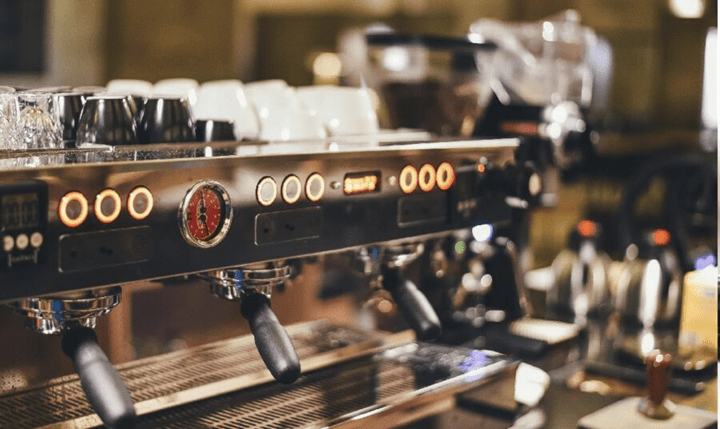
Coffee machine rental has become the default route many Singapore companies take when they want reliable in-office coffee without the upfront cost or the headache of maintaining equipment themselves, and understanding how the arrangement actually works helps a facilities or office manager make a decision they won’t regret six months later. The concept sounds simple on the surface, a machine shows up, someone plugs it in, and coffee starts flowing, but the details buried in a typical contract shape whether that simplicity holds up once the machine has been running for a year under daily office demand. Getting familiar with the moving parts before signing anything puts a company in a far better position to negotiate terms that actually fit how their office operates.
What Coffee Machine Rental Actually Covers
A rental agreement for an office coffee machine is rarely just the hardware sitting on your pantry counter; it typically bundles the machine itself with a maintenance schedule, replacement parts, and in many cases a supply of beans or capsules delivered on a set cycle. The provider retains ownership of the unit for the duration of the contract, which means breakdowns, descaling, and general wear are their problem to solve rather than yours. This is a meaningful shift from owning equipment outright, where every fault becomes an internal IT-adjacent or admin task that pulls someone away from their actual job. Office managers who have handled both setups usually describe rental as trading a fixed monthly line item for the removal of a long list of small, unpredictable chores. That trade tends to look more attractive the longer a company operates the equipment, since the cumulative time spent on ad hoc troubleshooting under ownership rarely shows up as a single dramatic cost but instead as a steady drain on whoever happens to be nearby when something goes wrong.
The Main Types of Machines Available on Rental
Rental fleets in Singapore generally span three categories: bean-to-cup machines that grind whole beans fresh for each cup, capsule or pod systems that prioritise speed and consistency, and filter brewers suited to higher-volume, lower-fuss consumption such as a large open-plan floor that just wants a pot on hand through the morning. Bean-to-cup units tend to suit companies that treat coffee as part of their workplace identity or client experience, since the aroma and freshly ground taste read as a deliberate investment. Capsule machines are popular with smaller teams or satellite offices where footprint and simplicity matter more than ceremony. Filter machines remain common in operations-heavy environments like call centres or warehouses attached to an office, where throughput and low cost per cup outweigh the appeal of a barista-style pour.
How Rental Contracts Are Usually Structured
Most providers price rental on a monthly basis tied to machine tier, with contract lengths commonly running twelve to thirty-six months depending on how much the provider needs to recover the equipment cost over time. Shorter terms usually carry a higher monthly rate, while longer commitments bring the per-month figure down but reduce your flexibility if your headcount or office layout changes. Some agreements separate the machine rental fee from consumables and servicing, billing those as a variable monthly charge based on actual usage, while others fold everything into a single flat fee for easier budgeting. It’s worth reading the fine print on what happens at contract renewal, since machines that have been in continuous use for two or three years may be due for an upgrade rather than a straight rollover. Deposit requirements also vary between providers, with some waiving them entirely for longer commitments and others requiring a refundable amount upfront, so it’s worth clarifying this early rather than discovering it partway through a procurement conversation.
Servicing, Consumables and Who Handles What
The practical value of rental shows up most clearly in servicing. A commercial machine used by fifty or a hundred people a day needs descaling, water filter changes, and periodic parts replacement far more often than a home unit, and getting this wrong leads to bitter or inconsistent coffee long before the machine actually breaks. Under a rental model, this maintenance calendar sits with the provider, who typically schedules visits proactively rather than waiting for a complaint. Consumable supply, whether beans, capsules, milk powder, or cups, is often arranged as part of the same relationship, so a single point of contact handles everything the pantry needs rather than the office manager juggling separate vendors for machine, beans, and cups. This consolidation becomes more valuable the larger an office gets, since coordinating separate delivery schedules and invoices for equipment, beans, and general pantry supplies across multiple vendors adds administrative overhead that most companies would rather avoid entirely.
Evaluating a Rental Agreement Before You Commit
Before signing, it helps to walk through how the provider actually operates day to day rather than focusing only on the monthly rate. Response time for breakdowns matters enormously for a busy office, since a machine down for three days during a rental period feels very different from one fixed within hours. It’s also worth understanding minimum order quantities for consumables, whether the contract allows machine swaps if usage patterns shift, and what the exit terms look like if the company relocates or downsizes. A good starting point is browsing what a provider like Daiohs offers across its machine range and service model, since comparing a concrete example against your own checklist makes the abstract questions easier to answer.
Getting Started With a Rental Provider
Once you have a shortlist, the practical next step is usually a site assessment, where the provider looks at your pantry space, water supply, and expected daily cup count to recommend a machine tier rather than letting you guess. This conversation also surfaces logistics questions early, such as whether your building has restrictions on plumbed-in machines or whether a bottled or filtered water setup makes more sense. Companies that skip this step sometimes end up with equipment mismatched to their actual usage, either underpowered for a busy floor or unnecessarily elaborate for a small team. A short assessment conversation upfront costs little in time but tends to prevent a far more disruptive mid-contract realisation that the wrong tier of machine was chosen for the space.
Coffee machine rental in Singapore works best when treated as a service relationship rather than a one-off equipment purchase, and the offices that get the most out of it are the ones that ask detailed operational questions upfront instead of comparing monthly rates in isolation.







Leave a comment