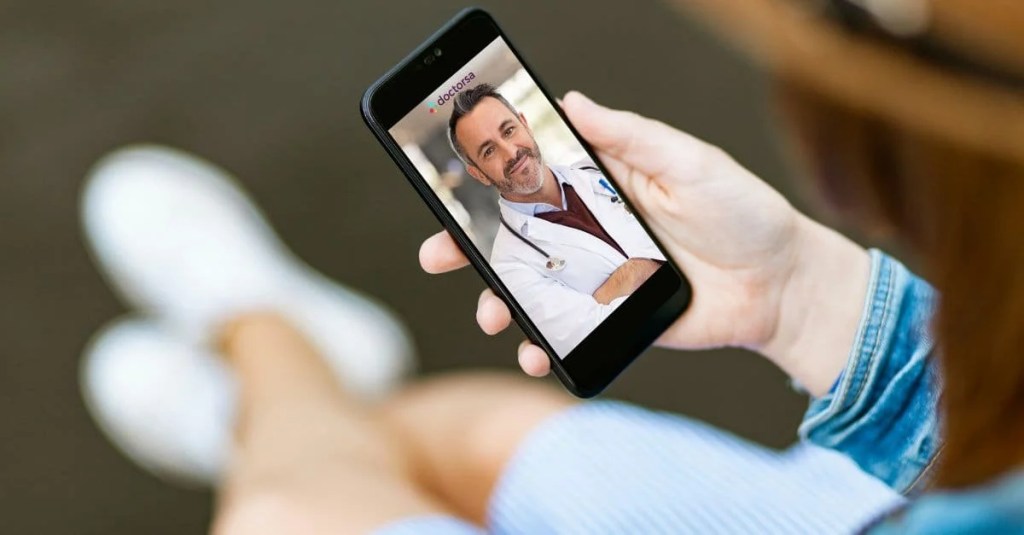
Follow-up consultations represent critical components of comprehensive healthcare that ensure treatment effectiveness and monitor patient progress. Virtual healthcare delivery has transformed how medical professionals maintain ongoing relationships with patients requiring regular check-ins and care adjustments. NextClinic exemplifies modern telemedicine solutions that enable seamless continuation of care through digital consultations, allowing patients to maintain consistent medical supervision without geographic or scheduling barriers.
Virtual continuity of care
Medical professionals conducting virtual follow-up appointments can maintain detailed patient relationships through comprehensive digital health records that track symptoms, treatments, and outcomes across multiple consultations. online doctors review previous appointment notes, medication changes, and patient-reported improvements or concerns to provide informed follow-up care that builds upon established treatment plans. This continuity ensures that each subsequent consultation addresses ongoing health issues with the full context of previous interventions and patient responses. Digital health records enable practitioners to identify patterns in patient symptoms, medication effectiveness, and treatment adherence that might not be apparent during individual appointments. Reviewing comprehensive treatment histories allows medical professionals to make more informed decisions about care adjustments and recognise subtle changes in patient conditions that require attention. This longitudinal view of patient health creates opportunities for proactive care that prevents minor issues from developing into more serious complications.
Progress tracking tools
- Digital symptom diaries allow patients to record daily health metrics between appointments for comprehensive progress assessment
- Medication adherence tracking through mobile applications provides objective data about treatment compliance and effectiveness
- Wearable device integration captures vital signs, activity levels, and sleep patterns that inform follow-up consultation discussions
- Photo documentation enables patients to share visual progress of conditions like skin disorders or wound healing
- Standardised questionnaires measure patient-reported outcomes consistently across multiple follow-up appointments
Medical record integration
Electronic health record systems enable seamless information sharing between virtual follow-up appointments and other healthcare providers involved in patient care. Medical professionals can access laboratory results, imaging studies, and specialist recommendations that inform follow-up treatment decisions without requiring patients to coordinate multiple sources of medical information. This integration ensures that virtual follow-up consultations consider all aspects of patient health rather than operating in isolation from other care providers.
Comprehensive medical record access allows virtual practitioners to identify potential drug interactions, contraindications, or duplicate treatments that might not be apparent without complete health information. The ability to review recent hospital visits, emergency department encounters, or specialist consultations provides context that enhances the quality of follow-up care decisions. This integration creates collaborative care environments where virtual follow-up appointments complement rather than compete with traditional healthcare delivery.
Communication channels
Multi-modal communication options, including video calls, secure messaging, and phone consultations, provide patients with various methods for maintaining contact with their healthcare providers between scheduled appointments. Secure messaging enables patients to report medication side effects, ask questions about treatment plans, or share health updates that inform subsequent follow-up consultations. These communication channels create ongoing relationships that extend beyond formal appointment times. Asynchronous communication through secure messaging allows medical professionals to review patient questions thoughtfully and provide detailed responses without the time constraints of real-time consultations. Sharing documents, images, and educational materials through secure channels enhances patient understanding and engagement with their treatment plans. These communication options create collaborative healthcare relationships where patients feel supported throughout their treatment journeys.







Leave a comment