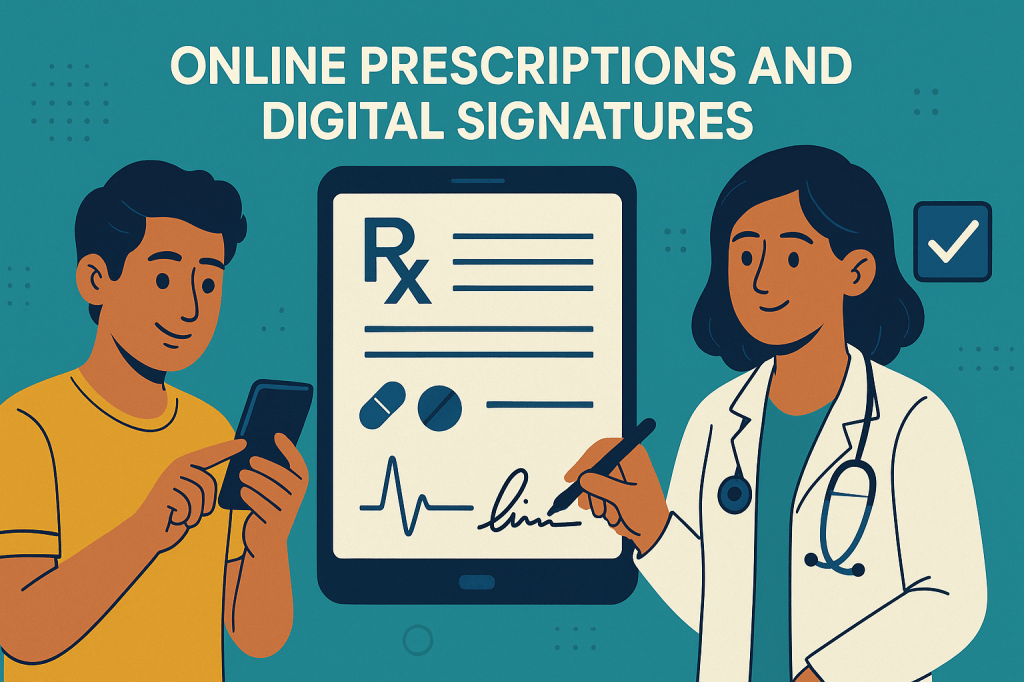
The process of getting prescription medications used to involve multiple doctor visits and pharmacy trips. People managing chronic health issues faced this cycle repeatedly to maintain their treatment plans. NextClinic changed how this works through remote prescription options. Patients get their needed medications faster with less hassle involved. online prescriptions mark a real departure from outdated systems that wasted time and created barriers to consistent care.
Streamlined refill process
Managing long-term conditions means needing the same medications month after month. Old methods forced patients into scheduling appointments even when nothing about their health had changed. Blood pressure pills, cholesterol drugs, and diabetes treatments all required separate clinic trips to get refill approval. Digital systems flipped this whole arrangement. People open their accounts and submit refill requests straight to their doctor. Medical professionals check patient records and recent health information before authorizing treatment continuation. Everything happens from your couch instead of a medical office. Platforms send alerts when refill dates get close, stopping dangerous lapses in medication. Those taking several different drugs can manage everything through one system rather than calling various pharmacies separately.
Automated prescription tracking
Chronic conditions make forgetting medication schedules deadly. Unexpected loss of doses worsens treatment gaps. Traditional paper systems left tracking entirely up to patients without any backup support. Digital prescription platforms monitor medication schedules automatically and send reminders before supplies run low. Calendar integration helps patients plan refills around travel or busy periods. It flags duplicate prescriptions and conflicts between providers. Notifications are sent by email or text. This automated oversight catches problems that manual tracking methods miss regularly.
Pharmacy coordination simplified
Traditional prescription filling meant phone calls between doctors and pharmacies that sometimes took days. Prescriptions weren’t ready when patients drove to pharmacies. Verification of insurance occurred at pickup, causing delays. Switching between pharmacies required starting the entire communication process over.
Electronic prescription transmission reaches pharmacies instantly after doctor approval. Insurance verification happens during the prescription process rather than at pickup. Patients choose preferred pharmacy locations or switch between them without complicated transfers:
- Prescriptions route to convenient pharmacy locations based on current needs
- Vacation refills get sent to pharmacies near travel destinations
- Price shopping between pharmacies happens before committing to one location
- Home delivery options eliminate physical pharmacy visits entirely
- Specialty medications coordinate directly with appropriate dispensing facilities
The digital coordination removes communication breakdowns that plagued paper prescription systems for decades.
Emergency access solutions
Medical emergencies and unexpected situations often leave people without their regular medications. Lost prescriptions during travel created dangerous gaps in treatment. Natural disasters disrupted access to regular pharmacies and doctors. Weekend medication shortages forced expensive emergency room visits just for refill authorization. Remote prescription services provide emergency refill options outside regular clinic hours. Doctors review urgent requests quickly through mobile platforms even during off-hours. Patients stranded away from home reach their regular physicians for emergency authorizations. The system maintains prescription records that remain accessible even when physical documents get lost or damaged. Quick response capabilities prevent health crises caused by medication interruptions that older systems couldn’t handle efficiently.
Privacy protection enhanced
Paper prescriptions passed through multiple hands before reaching patients, exposing sensitive health information. Medical conditions were discussed at pharmacy counters. Documents in filing cabinets were vulnerable to unauthorized access. Information about patients is only accessible to authorized medical personnel. Secure messaging systems let patients discuss prescription questions privately with doctors. Electronic records include detailed access logs showing exactly who viewed information and when. Patients control which providers see their prescription histories. Multi-factor authentication protects accounts from unauthorized access attempts. The security measures exceed what paper-based systems could ever provide for safeguarding personal health details.






 Several News blog
Leave a comment