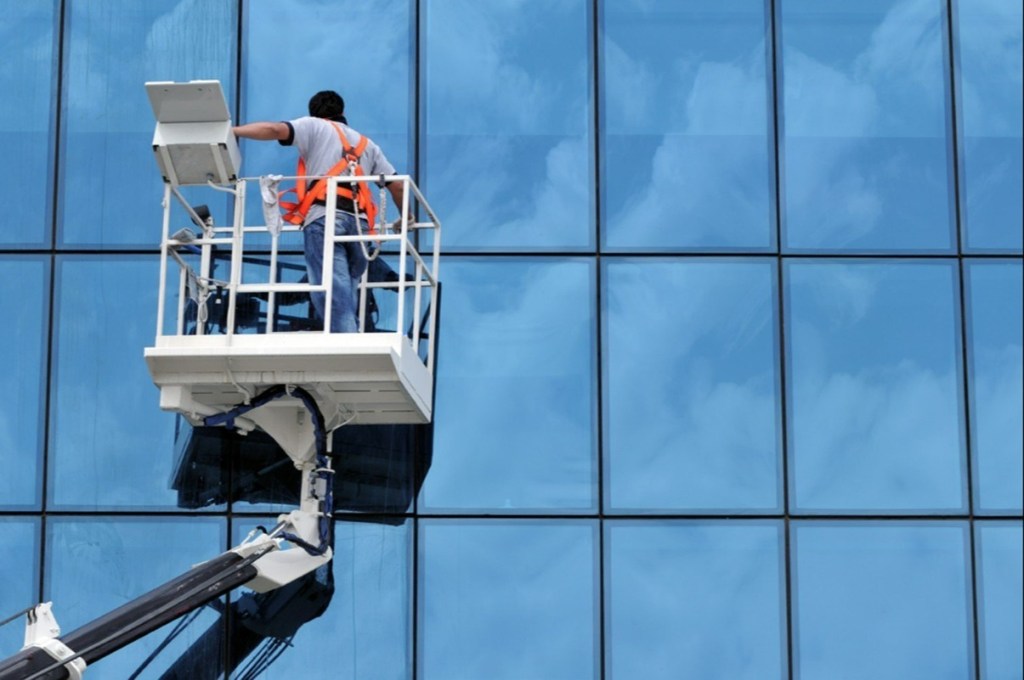
Cleaning facade is, at its essence, an act of preservation against the relentless march of entropy, a battle waged on vertical surfaces where gravity, weather, and time conspire to write their inevitable story of decay. Consider the facade as the building’s skin, that crucial boundary between interior sanctuary and exterior chaos, and you begin to understand why its maintenance represents far more than mere aesthetics. Like human skin, which renews itself continuously whilst bearing the accumulated evidence of sun exposure and environmental assault, a building’s exterior surface tells the story of its existence through the patina of pollution, biological growth, and atmospheric deposition.
The Biography of Dirt
Every facade accumulates its own unique narrative of contamination. In Singapore’s tropical climate, this story is written with particular vigour. The high humidity creates ideal conditions for algae and fungi, those opportunistic colonizers that see bare surfaces as virgin territory awaiting conquest. Atmospheric pollutants, carried on humid air, settle onto building exteriors with the persistence of sediment accumulating on an ocean floor. Rain, rather than cleansing, often leaves behind mineral deposits that etch themselves into porous materials with chemical determination.
The composition of facade dirt reveals the city’s industrial biography. Carbon particles from vehicular exhaust, sulphur compounds from industrial processes, salt aerosols from the sea, pollen from surrounding vegetation. Each building surface becomes an unintended environmental monitor, recording in layers what passes through the air. Over time, these accumulations transform from invisible films into visible degradation, the building’s slow capitulation to its surroundings.
The Science of Surface Restoration
Facade cleaning services employ methodologies that would fascinate any biochemist or materials scientist. The challenge lies in removing unwanted accretions whilst preserving the substrate beneath, a task requiring intimate knowledge of both the contaminant and the surface being treated. Choose too aggressive an approach, and you damage the very material you seek to protect. Apply insufficient force or inadequate chemistry, and the contamination remains, mocking your efforts.
The principal techniques include:
- Pressure washing utilizing controlled water jets to physically dislodge surface contamination, with pressure calibrated to material tolerance
- Chemical cleaning employing formulated solutions that dissolve specific contaminants through targeted chemical reactions
- Steam cleaning combining heat and moisture to soften and remove organic growth and grime
- Abrasive methods including gentle media blasting for particularly stubborn deposits on durable surfaces
- Soft washing using low-pressure application of biodegradable cleaning agents, particularly effective for biological contamination
The Building and Construction Authority in Singapore provides guidelines for facade inspection and maintenance, recognising that external wall deterioration poses both aesthetic and safety concerns. These regulations mandate periodic inspection of building facades, particularly for structures exceeding certain heights or ages, acknowledging that gravity makes failure on vertical surfaces particularly hazardous to those below.
The Metabolism of Building Maintenance
Think of cleaning facade as analogous to cellular maintenance within living organisms. Cells continuously remove damaged proteins and metabolic waste through autophagy, that elegant self-cleaning mechanism that earned its discoverer a Nobel Prize. Buildings lack such autonomous systems. They require external intervention to prevent the accumulation of damage that, left unchecked, accelerates structural decline.
The frequency of facade maintenance depends on multiple variables: material composition, environmental exposure, architectural design features that either shed or trap moisture, and proximity to pollution sources. Singapore’s climate necessitates more frequent attention than temperate regions. What might suffice as a five-year cleaning cycle in cooler climates may require intervention every two to three years here, where biological growth proceeds with tropical urgency.
The Economics of Prevention
The financial calculus of building facade maintenance reveals an interesting paradox. Regular cleaning appears as recurring expense, an ongoing cost that tempts deferral during budget constraints. Yet this perspective ignores the accelerating nature of facade degradation. Contamination, once established, creates conditions that accelerate further deterioration. Biological growth retains moisture against building surfaces, promoting material breakdown. Acidic deposits etch into substrates, creating rough surfaces that trap additional contamination.
Neglected facades require increasingly aggressive restoration, and eventually reach states where cleaning alone cannot restore appearance or function. At this point, costly repairs or replacement become necessary. The building owner who deferred cleaning to save money discovers they have instead incurred far greater expense, the financial equivalent of ignoring a small cavity until root canal becomes unavoidable.
Aesthetic and Psychological Dimensions
Beyond structural considerations, facade cleaning serves profound psychological functions. Buildings communicate through their appearance. A well-maintained exterior signals competence, prosperity, and attention to detail. A neglected, stained facade broadcasts opposite messages, regardless of interior quality. Property values reflect these perceptions with mathematical precision. Studies consistently demonstrate that building appearance significantly influences both rental rates and sale prices.
For commercial properties, the facade functions as permanent advertisement, visible marketing that operates continuously. No interior renovation can compensate for an exterior that repels rather than attracts. The investment in cleaning facade maintenance pays dividends through enhanced property performance and preserved asset value.
Conclusion
The facade represents where architecture meets atmosphere, where human construction confronts natural processes, where aesthetic aspiration faces chemical and biological reality. Understanding this intersection allows building owners to approach exterior maintenance not as discretionary expense but as essential preservation, the price of maintaining both function and beauty against time’s inexorable assault. The wisdom lies not in whether to invest in professional cleaning facade services, but in recognising that such investment represents not cost but insurance against far greater future expense.




 Several News blog
Leave a comment