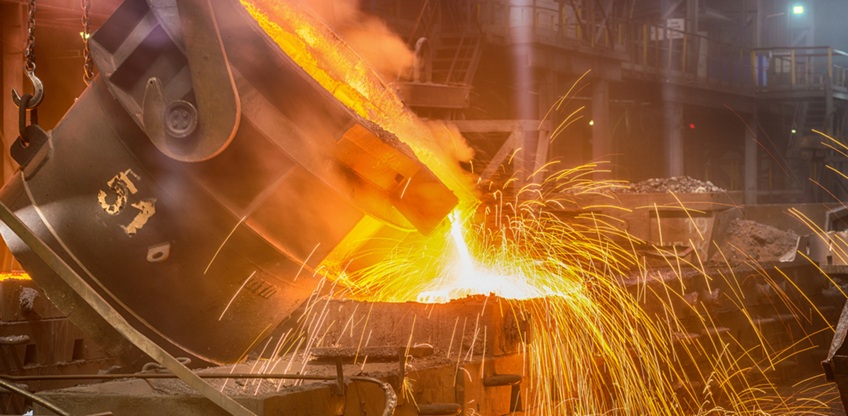
Modern manufacturing, from engine blocks to aircraft parts, is all precision engineering in the end. And at the heart of it all? The basics of metal casting: pouring hot liquid metal into a mold, in order to create anything from tiny screw-on bolts up to massive structural parts.
The step itself is a process that has been around for hundreds of years, but modern manufacturing necessitates more speed, efficiency, and in most cases sustainability. This is nowhere more relevant than with General Kinematics, and where they come not as a vendor of equipment but an innovation partner in every sense of the word.
What Takes Place During the Casting Process
Before we can detail how General Kinematics aids with this process, a brief examination of the casting process is in order. The process in-detail:
- Foundry Creation: Foundry creation involves the creation of a pattern of the final object, which is often made out of wax, leather, or plastic.
- Preparation of Mold: The pattern will leave the cavity in materials like sand or ceramic.
- Melt-and-Pour Method: Melting the metal and pouring it into the mold.
- Cooling and Shakeout: Following the cooling process, the mold is removed to expose the cast part, and then the shakeout process begins.
- Finishing: It involves the cleaning of excess parts material and getting to final part state.
So, it’s all critical — if you lose just a little bit of efficiency, you can lose a hell of a lot. Every step of the way, manufacturers trust General Kinematics to enhance precision and speed.
General Kinematics: Raising the Bar
The technology of GK is not about obviating the art of casting; it is about supporting that art with tools that deliver better results.
How GK supports foundries to achieve superior performance:
- Vibratory Sand Coolers: These coolers enable the rapid cooling of molding sand to prevent defects and save energy.
- Shakeout Machines: GK vibratory shakeout units are engineered to separate castings and sand without causing damage to finished parts.
- Semi Automation: This includes processors with some control but not a steadfast solution for real-time data to adjust temperatures, flow rates, and timings (not fully automated).
- Heavy-Duty Material Handling: Feeders, conveyors, screeners to move, and handle even the heaviest materials, safely and efficiently.
The result? Better parts, more online uptime and cost reduction.
For the Stoic Planet—and for Growth
In today’s industry, sustainability is not a choice but a need. In light of this, General Kinematics builds its machinery with the goal of maximizing energy efficiency. Their vibratory systems:
- Use lower power then the traditional machines
- Relies on the reuse of forms such as sand and scrap metal
- Assist foundries with shrinking their environmental footprint
Along with this GK’s modular equipment expands and scales along with your business. The system also grows with your production without the need of major rebuilds.
Why Manufacturers Choose GK
A lot of times it is more than just the physical purchase of General Kinematics hardware. Having had decades in the solar roofing business, they plan out bespoke applications for every client based on his working structure, budget, and environmental demands. Their help does not simply stop at the creation process!
- On-site training
- Maintenance services
- Ongoing upgrades and optimization
Casting Tomorrow, Today
But as industries continue to drive faster, cleaner, and more efficient processes, so the casting world must evolve. General Kinematics: Stay ahead.
Looking to upgrade your casting products? Find a partner who is grounded in the tradition but also understands innovation. General Kinematics is not only shaping metal — they are shaping the future.





 Several News blog
Leave a comment