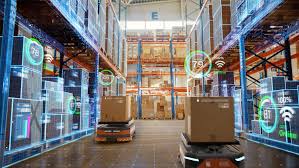
Warehouse location systems allow users to locate every stored item in their warehouse facilities. The system serves as an electronic navigation tool. Every product receives a destination label through its specific location number. With warehouse location systems, employees can locate items more quickly while decreasing the possibility of mistakes.
These systems use technology like:
- Barcodes
- RFID tags
- Real-time data
They operate warehouse software to monitor inventory throughout its arrival and departure.
Types of Systems
Different warehouses need different setups. Our analysis reviews three main operation techniques used by these systems.
- Every item returns to its constant designated storage position. Suitable for bulk items.
- Products can go anywhere available throughout the storage space. The system indicates every updated product placement.
- Product groups follow both usage and access type guidelines.
- Hybrid systems mixes all the above for better flexibility.
Why It Matters
A warehouse location system brings significant advantages through its implementation.
- Our system ensures orderly placement, unlike the past method of haphazard pileups. Items are stored smartly.
- Workers find products faster because the system shows them their specific path.
- Real-time tracking reduces the number of items that go astray.
- Our supply counts remain exact at all times.
- Less staff is needed when using the system.
Rapid item search speed during shipping operations determines whether customer packages reach them on time at e-commerce warehouses. The systems save workers time by making navigation through storage areas faster.
Key Things to Watch Out For
Some challenges include:
- High setup costs
- Tech training for staff
- Compatibility with current software
- Our team needs system backup procedures when technical failures occur
Preparing before shipping makes these difficulties more straightforward to handle. A warehouse map allows workers to perform their roles efficiently, while staff training prepares them to use new systems successfully.
Looking Ahead
The upcoming warehousing system will integrate innovative technology and gain automation while remaining connected to the larger network. As AI technologies enhance warehouse systems, they now track much more than standard inventory. These systems will use future market forecasts to automatically shift inventory positions between seasons and orders determined by item movement speed.
Our system tracks sales numbers to boost inventory speed near packing stations while the supply schedule impacts slot placements. The system will decrease human errors by working with robotic machines to handle operations.
The system will adapt automatically to supply changes plus workforce availability and delivery issues by combining cloud technology with internet-connected sensors. Through this degree of agility, businesses deliver faster services at smarter locations with fewer delays and maintain their scalability for future market developments.






 Several News blog
Leave a comment