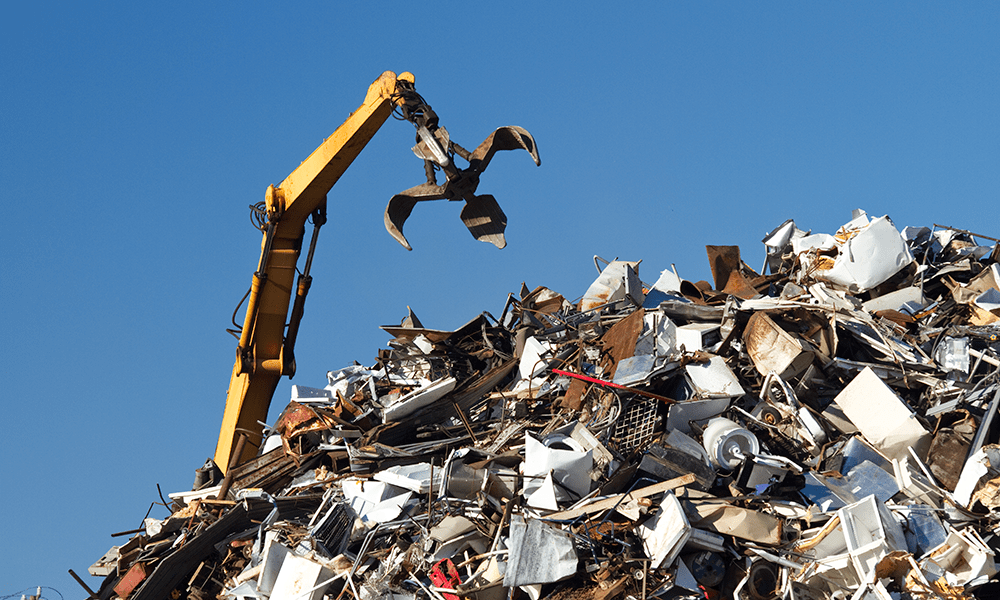
Metal recycling serves among the most efficient strategies both for environmental protection and resource sustainability purposes. By turning waste metal into reusable materials, the metal recycling process lowers waste and energy usage. This article describes the metal recycling process through its operation stages as well as elaborates on its importance for environmental sustainability.
What Is Metal Recycling?
The metal recycling system starts with collecting scrap metal followed by processing it until the materials become ready for new production. The strength and quality of metals do not degrade from multiple recycling cycles unlike other materials. The metal recycling process helps reduce the need for mining, cuts down on pollution, and saves energy.
Why Recycle Metal?
- Saving natural resources occurs because metallurgy reduces the need for extracting raw ore.
- Metal recycling through the aluminum process requires just five percent of energy compared to producing new aluminum metal from raw materials.
- Metal recycling eliminates discarded materials which otherwise would fill up landfills preventing damage to the environment.
Key Steps in the Metal Recycling Process
1. Collection of Scrap Metal
The initial procedure starts with collecting metal scraps from multiple sources which include:
- Old cars and appliances
- Construction materials
- Industrial machinery
- Household items like cans and electronics
Scrap metal falls into two basic categories:
- Steel exists as an industrial material made from iron together with iron-containing industrial metals.
- Non-ferrous metals, including brass, copper, and aluminum.
2. Distinguishing and Arranging
The processing sequence should include all metals which were sorted previously. Non-ferrous separation demands specialized complex methods because magnets fail to fulfill this requirement independently.
- Air classification
- Eddy current separators
- Manual sorting
3. Cleaning and Shredding
High-quality recycled metal results from the removal of paint, oil and dirt materials from the metal products. The processing continues by converting the cleaned metal into small shreds to enhance its suitability for the melting stage.
4. Melting and Purification
Large furnaces heat the metal shreds to high temperatures for melting. The melting temperatures for different metals vary from one another.
- Aluminum melts at around 660°C (1220°F)
- Steel requires over 1,500°C (2,732°F)
The purifying process in melting helps to extract clean reusable metal free from contaminating agents.
5. Forming New Products
Mold pouring followed by molten metal formation creates both new items and shapes.
- Sheets
- Bars
- Ingots
- Wires
The final products complete the recycling loop once recycled materials have been used in the manufacturing process.
Benefits of Metal Recycling
- Environmental Protection becomes possible through lower greenhouse gas releases and reduced mining infliction on the environment.
- The production of recycled metal requires substantially less energy when compared to new metal manufacturing procedures.
- The recycling sector and manufacturing create employment opportunities because of economic growth.
- The recycling process helps decrease the amount of metal waste disposed of in landfill locations.
Final Thoughts
The recycling process of metals plays a central role in creating sustainable living practices. Metal recycling allows us to protect resources while eliminating pollution in addition to establishing continuous economic cycles. The recycling process delivers two important benefits as it simultaneously protects our environment and strengthens our energy systems along with advancing the economy. The correct sorting of scrap metal at a small level produces significant environmental benefits. All entities from businesses to individuals benefit the environment when they take part in metal recycling initiatives. Recycling takes priority in communities which leads to minimized landfill waste and supports ecologically cleaner industrial operations. The immediate start of recycling activities today leads directly to sustainability improvements that benefit future population groups with a cleaner environment.






 Several News blog
Leave a comment